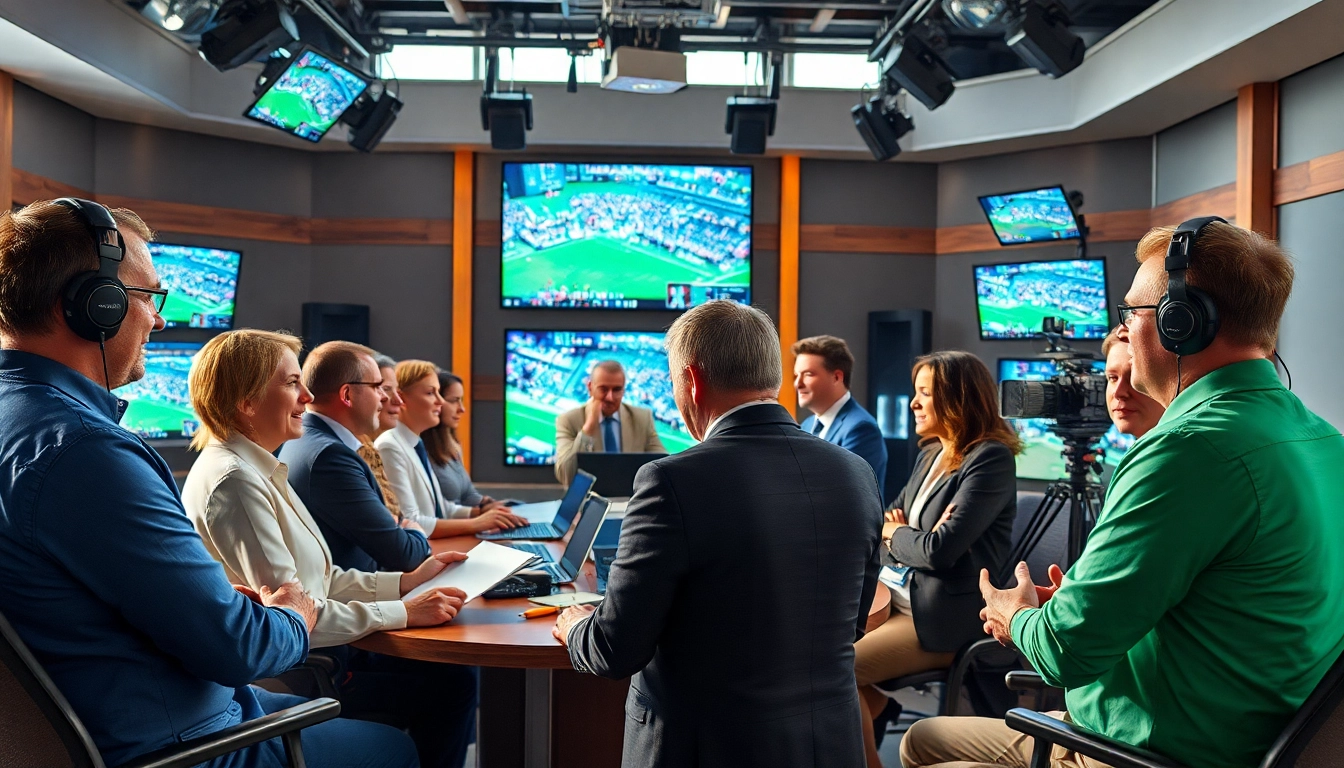
Understanding Sports Broadcasting: An Overview
Sports broadcasting has transcended traditional means to captivate audiences in ways previously unimaginable. It is defined as the dissemination of live or recorded sports events through various media channels including television, radio, and online platforms. In this digital era, Sports Broadcasting has evolved immensely, shaping the way fans consume their favorite games and events.
The Evolution of Sports Broadcasting
From the first experimental radio broadcasts of baseball games in the 1920s to the multi-channel sports networks we have today, the evolution of sports broadcasting has been remarkable. Initially, broadcasts were limited in reach, primarily serving local audiences. However, as technologies advanced, so did the ability to capture and relay real-time sports events to broader audiences. The introduction of color television and satellite broadcasting in the mid-20th century propelled the industry forward, granting fans richer and more immersive viewing experiences. Now, platforms like streaming services and social media integrate into the sports broadcasting process, allowing for greater interaction and engagement among fans.
Key Formats in Sports Broadcasting
Sports broadcasting encompasses a variety of formats, each tailored to different audiences and viewing preferences. Traditional live broadcasts remain popular, but alternative formats such as highlights shows, sports news segments, and virtual reality experiences are gaining traction. Digital platforms, including social media channels, are also increasingly providing behind-the-scenes content and fan engagement opportunities, enhancing the overall viewing experience through interactivity.
Importance of Audience Engagement in Sports Broadcasting
As viewer preferences shift, audience engagement has become paramount in sports broadcasting. Interaction through social media, live polls, and audience-driven content can significantly enhance the experience. Engaging fans creates a community around content, building loyalty and encouraging viewing. Organizations are now focusing on creating content that fosters this engagement, transforming passive viewers into active participants.
Core Elements of Effective Sports Broadcasting
Quality Production Techniques for Sports Broadcasting
To create captivating sports broadcasts, high-quality production techniques are essential. This includes the use of advanced camera technologies, aerial tracking systems, and optimized lighting to provide viewers with an enriched experience. The seamless integration of graphics and statistics on-screen is vital for keeping audiences informed and engaged. Furthermore, specialized production teams are required to handle live event complexities, ensuring that broadcasts are smooth and professional, appealing to dedicated sports fans and casual viewers alike.
Essential Equipment and Technology
Modern sports broadcasting relies heavily on cutting-edge technology and equipment. Cameras designed for high-speed action capture, augmented reality graphics systems, and advanced audio equipment are central to producing engaging broadcasts. Additionally, facilities with robust encoding and streaming capabilities are necessary to cater to multi-platform distribution, ensuring that quality remains consistent across television, online, and mobile channels.
Role of Commentators in Sports Broadcasting
Commentators play a crucial role in enhancing the viewing experience during sports broadcasts. Their expertise provides valuable context, analysis, and entertainment, making the events more accessible to viewers who may not have comprehensive sports knowledge. Effective commentators can weave storytelling into live play-by-play coverage, thereby not only sharing the factual elements of the game but also capturing the emotional essence that resonates with audiences.
Strategies to Enhance Viewership in Sports Broadcasting
Utilizing Social Media for Sports Broadcasting Growth
Social media platforms are invaluable tools for growing viewership in sports broadcasting. Engaging audiences through behind-the-scenes content, real-time updates during games, and interactive features such as live chats and Q&A sessions can vastly increase a broadcaster’s reach. By fostering a two-way communication channel, broadcasters can create a sense of community and keep fans connected throughout the sports season and beyond.
Creating Interactive Viewing Experiences
Interactive viewing experiences are on the rise as fans increasingly desire more than just one-dimensional broadcasts. Utilizing technologies such as second-screen apps, augmented reality, and enhanced graphics, broadcasters can allow fans to customize their viewing experience, offering multiple camera angles, statistics, and commentary options. This level of interactivity keeps viewers engaged and increases their investment in the events being broadcast.
Leveraging Analytics in Sports Broadcasting
Analytics play a significant role in sports broadcasting, influencing everything from content creation to audience targeting. By harnessing data about viewer preferences and behaviors, broadcasters can tailor content to fit specific demographics and improve viewer satisfaction. Metrics such as viewer engagement rates, social media interactions, and live ratings can help organizations refine their strategies, ensuring they meet audience demands effectively.
Challenges in the Sports Broadcasting Landscape
Navigating Rights and Regulations
The landscape of sports broadcasting is complex, particularly when it comes to rights and regulations. Securing broadcasting rights for specific sports and events can be a lengthy and expensive process. Additionally, legal regulations vary from region to region, necessitating careful navigation to avoid breaches that could result in severe penalties. This requires broadcasters to stay well-informed and adaptable.
Adapting to Changing Viewer Preferences
Today’s viewers have diverse preferences; they demand flexibility and quality in content consumption. This presents a challenge for sports broadcasters to continuously adapt their offerings. Whether it be through the adoption of new streaming technologies, integrating social media interactions, or addressing an increase in demand for on-demand content, broadcasters must remain agile to keep up with audience expectations.
Responding to Technology Disruptions
With technology evolving rapidly, sports broadcasters face constant disruptions. Innovations such as artificial intelligence and machine learning are redefining how content is produced and consumed. Broadcasters must stay ahead of the curve to leverage these advancements effectively, investing in training, technology upgrades, and new content strategies that incorporate emerging tools.
The Future of Sports Broadcasting: Trends and Predictions
Emerging Technologies in Sports Broadcasting
The future of sports broadcasting is increasingly tied to emerging technologies. Virtual reality (VR) and augmented reality (AR) promise groundbreaking ways to experience sports events. Innovations such as 5G connectivity will enable enhanced streaming capabilities and allow broadcasters to deliver ultra-high-definition content. Increasingly, broadcasters are expected to incorporate these technologies in their strategies to stand out in a competitive landscape.
Shifts in Consumer Behavior and Content Consumption
The rise of mobile viewing has transformed how consumers engage with sports content. With many viewers preferring to watch sports on-the-go, broadcasters are focusing on optimizing their content for mobile devices, ensuring accessibility and quality are prioritized. Furthermore, a greater emphasis on consumer trends leads to niche broadcasting services that cater to specific sports or fan demographics.
Sustainable Practices in Sports Broadcasting
As sustainability becomes a priority globally, sports broadcasters are also focusing on reduced environmental impact. From choosing eco-friendly production practices to utilizing renewable energy sources, the industry is gradually adopting sustainable measures. Broadcasters are not only looking to meet regulatory requirements but also to align with the values of their audience, demonstrating a commitment to environmental responsibility.
FAQs about Sports Broadcasting
What is sports broadcasting?
Sports broadcasting involves the transmission of live or recorded sports events through television, radio, or online platforms, aiming to entertain and inform viewers.
How has technology impacted sports broadcasting?
Technology has dramatically enhanced sports broadcasting through improved production quality, interactive features, and wider accessibility via digital platforms and mobile devices.
What roles do commentators play in sports broadcasting?
Commentators provide live play-by-play coverage and analysis, offering insights, context, and entertainment that enrich the viewer’s experience during sports events.
What challenges do sports broadcasters face today?
Key challenges include navigating broadcasting rights, adapting to technological changes, and meeting the evolving preferences of diverse audiences for content delivery.
What trends are shaping the future of sports broadcasting?
Future trends include the rise of augmented reality, personalized content delivery, and increased focus on sustainable production practices in sports broadcasting.
About the Author