
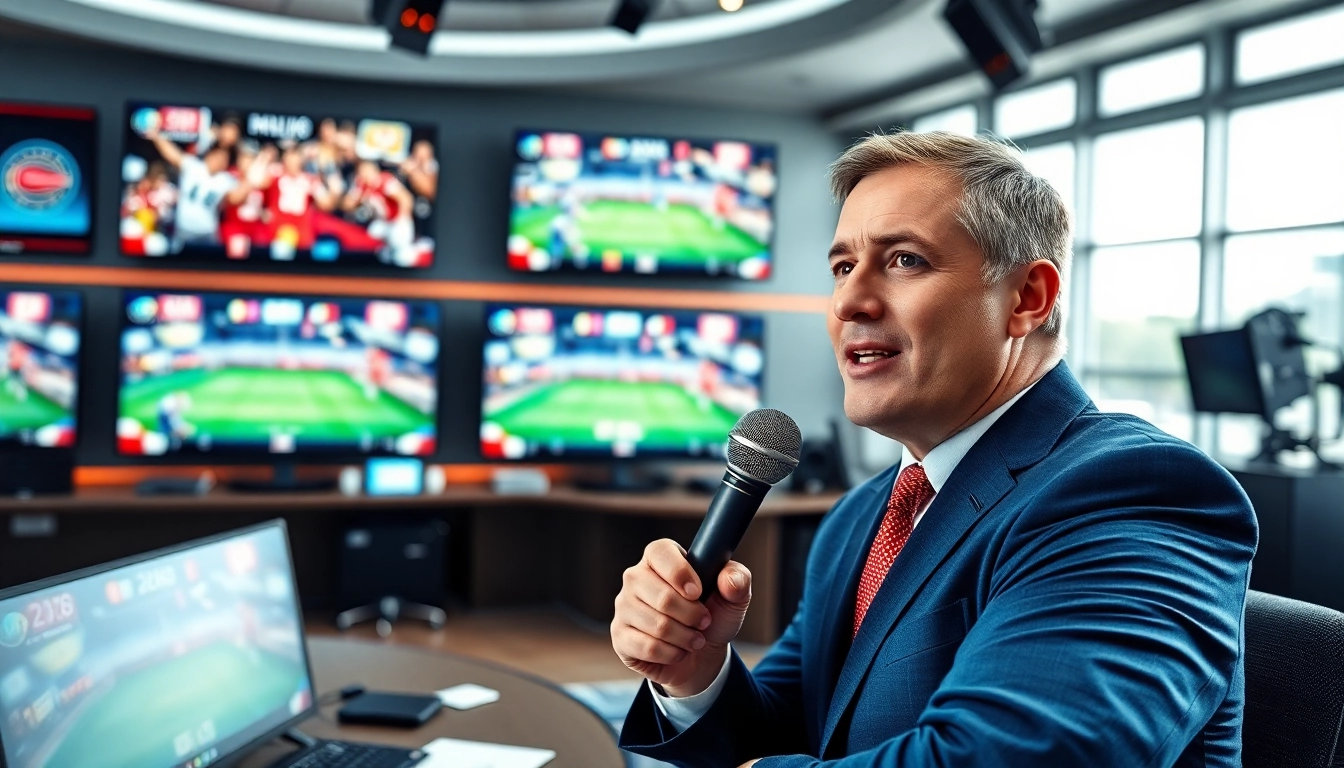
Understanding Sports Broadcasting Fundamentals
What is Sports Broadcasting?
Sports broadcasting refers to the live transmission or recorded distribution of sports events to audiences through various media, including television, radio, and the internet. This dynamic field combines the thrill of live sports with storytelling and technological prowess, making it a unique discipline within the broadcasting industry. It serves to entertain, inform, and engage fans by delivering real-time action and analysis. Understanding the fundamentals of Sports Broadcasting is essential for anyone looking to enter the field or enhance their skills.
The Evolution of Sports Broadcasting
The history of sports broadcasting is a fascinating journey that showcases the technological advancements over the decades. From the first radio broadcasts of baseball games in the 1920s to the explosion of television channels dedicated to sports in the 1980s and the recent rise of streaming services, each era has reshaped how audiences consume sports content. Digital platforms have revolutionized accessibility, allowing fans to watch games anytime, anywhere, which has dramatically transformed the broadcasting landscape.
Key Terminologies in Sports Broadcasting
- Live Streaming: The real-time transmission of events over the internet, allowing audiences to watch as events unfold.
- Play-by-Play Commentary: The detailed description of actions occurring during a game, often provided by a commentator or announcer.
- Color Commentary: Additional insights and analysis offered during broadcasts, typically enhancing the narrative of the event.
- Graphics and Visuals: On-screen information and animations that enhance storytelling during broadcasts by providing stats, scores, and diagrams.
- Audience Engagement: Strategies employed to interact with viewers, from social media integration to viewer polls.
Essential Equipment for Sports Broadcasting
Microphones and Audio Equipment
High-quality audio is crucial in sports broadcasting. Microphones are essential for capturing the excitement of the game and the commentary. Various types of microphones are used, including handheld, lapel, and shotgun microphones. Each serves a specific purpose, from interviewing athletes to capturing ambient sounds in the stadium. Additionally, audio mixers and soundboards enable broadcasters to manage multiple audio streams, ensuring clear and balanced sound delivery.
Video Cameras and Production Tools
Video cameras are the heart of sports broadcasting. High-definition cameras capture the action with clarity and precision. Multiple camera angles enhance viewer experience, providing diverse perspectives of the game. Production tools, including switchers and graphics generators, are used to compile footage and add visual effects. The integration of drones and robotic cameras has further enriched the broadcasting capabilities, offering unique aerial views and dynamic shots that engage audiences more effectively.
Software for Broadcast Management
Broadcast management software is essential for streamlining operations, from scheduling events to managing live feeds. Such tools help broadcasters efficiently coordinate logistics, manage content distribution, and analyze viewer preferences. Solutions tailored for live sports events provide features like automatic highlights, archiving capabilities, and real-time analytics, all crucial for today’s fast-paced broadcasting environment. Utilizing the right software can significantly enhance production quality and operational efficiency.
Best Practices in Sports Broadcasting
Engaging Your Audience
Engagement is key in sports broadcasting. Broadcasters need to connect with their audiences by creating an interactive experience. This might involve live polls during programs, social media updates, and real-time chats. Utilizing viewer feedback helps to tailor content, making broadcasts more relevant and exciting for fans, thereby fostering a loyal audience base.
Building Your Brand as a Broadcaster
A strong personal brand is invaluable for any sports broadcaster. This involves cultivating a unique voice and style, consistently delivering high-quality content, and engaging with audiences both on and off-screen. Creating a presence on social media platforms and interacting with fans, sponsors, and industry insiders can significantly enhance visibility and credibility. Consistency and authenticity are paramount when establishing a broadcaster's identity in a highly competitive environment.
Adapting to Technology Trends
The fast-paced world of technology mandates that sports broadcasters stay ahead of the curve. Familiarity with emerging technologies, such as augmented reality, artificial intelligence, and enhanced audio-visual equipment, can provide broadcasters with a competitive edge. Embracing new tools not only improves the viewer experience but can also streamline operations, helping to reduce costs while maximizing impact.
Challenges Faced in Sports Broadcasting
Managing Broadcast Rights
Broadcast rights remain one of the most challenging aspects of sports broadcasting. Securing rights from leagues or teams can be a complex process involving extensive negotiations and substantial financial commitments. Broadcasters must navigate legal and ethical considerations while ensuring compliance with contracts. Keeping abreast of changing regulations and ensuring secure contracts is crucial for successful sports broadcasting.
Navigating Technical Issues
Technical issues can occur at any moment during a broadcast and can jeopardize viewer experience. Having contingency plans in place is essential. This includes having backup equipment, real-time monitoring systems, and technical support on hand. Training staff to troubleshoot common issues can also help mitigate technical disruptions, ensuring seamless broadcasts during high-stakes events.
Ensuring Audience Interaction
Today's audiences expect more than passive viewing; they want interactive experiences. Maintaining engagement through Q&A sessions, fan shoutouts, and instant reactions during games can help retain viewer interest. Integrating elements like social media comments or live feedback may promote inclusivity, making audiences feel part of the action. However, managing real-time feedback without compromising broadcast quality can pose a challenge.
Future Trends in Sports Broadcasting
Shift to Streaming Services
With the growing demand for on-demand content, many viewers are gravitating towards streaming services over traditional cable broadcasting. The shift has prompted broadcasters to adapt their strategies, focusing more on digital platforms to reach younger audiences. Subscription models, pay-per-view events, and partnerships with streaming platforms are emerging as standard practices, altering the economics of sports broadcasting.
Integration of Virtual Reality
Virtual reality (VR) is set to revolutionize sports broadcasting by providing immersive experiences that traditional broadcasts cannot match. By offering a 'front-row' seat experience from the comfort of home, VR can transform how viewers engage with sports. As technology costs decrease, integrating VR into broadcasts may become commonplace, enhancing viewer interaction and satisfaction.
The Rise of Interactive Content
Interactive content has become a significant trend as audiences demand more personalized viewing experiences. Interactive graphics, virtual reality segments, and gamified content can make broadcasts more engaging. Broadcasters who can effectively include interactive features will likely see improved viewer retention, as fans become active participants in their viewing experience.
Frequently Asked Questions
What roles are involved in sports broadcasting?
Key roles include play-by-play announcers, color commentators, camera operators, producers, and sound engineers. Each plays a vital part in bringing sports events to life.
How can one get started in sports broadcasting?
Starting in sports broadcasting typically involves gaining relevant education and experience, such as internships at media organizations and honing skills in communication and production.
What are the primary challenges in sports broadcasting?
Challenges include managing broadcast rights, ensuring technical reliability, and maintaining audience engagement through active interaction and quality content delivery.
How important is social media in sports broadcasting?
Social media is crucial for promoting broadcasts, engaging with fans, and providing real-time updates, significantly enhancing the overall viewer experience.
Will traditional broadcasting fade away?
While traditional broadcasting will adapt, it won't completely fade away. Given its established audience, a shift to hybrid models combining traditional and digital platforms is expected.